
Simple Pleasures
Helena provides a diverse range of free experiences for visitors and locals alike. Its unique blend of historic charm, vibrant local businesses, prevalent artistic touches, and unmatched access to Montana’s natural beauty makes it a truly special place.
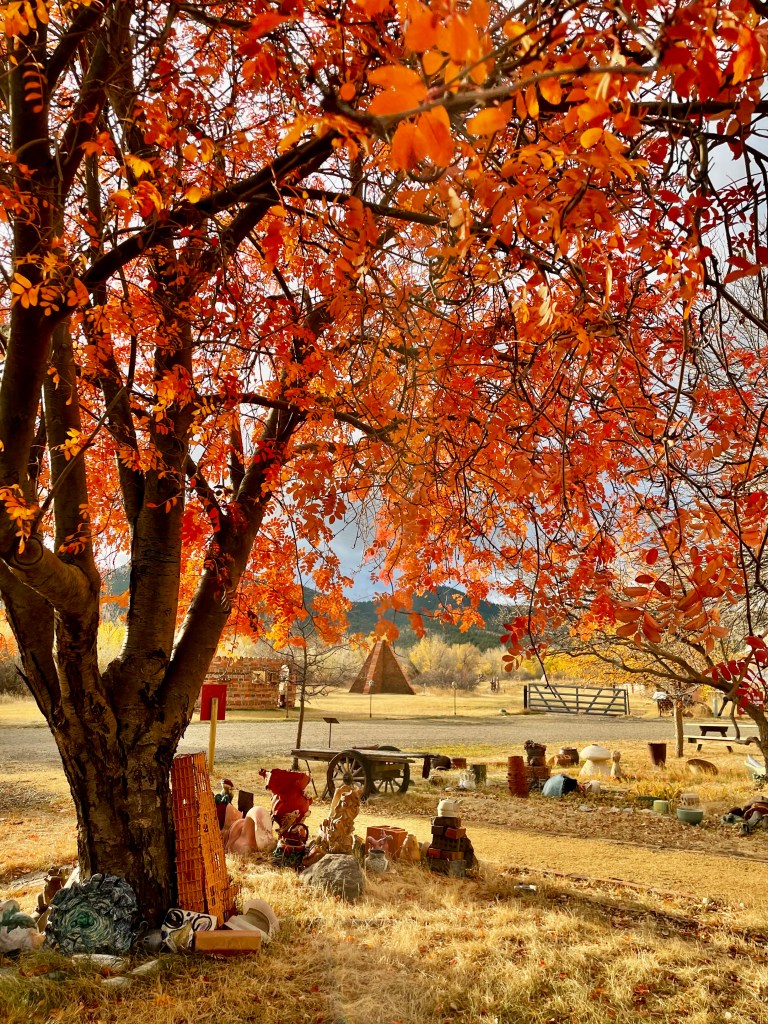
Archie Bray Grounds
Open daylight hours, year round.
Open to the public during daylight hours, the grounds of the Archie Bray Foundation provide an opportunity to see work left by past resident artists. Birding is good at the Bray during the warmer months. Please enjoy, but do not move or disturb any of the art ot historic artifacts. While the grounds are open to the public all the ‘things’ around the grounds are private property.
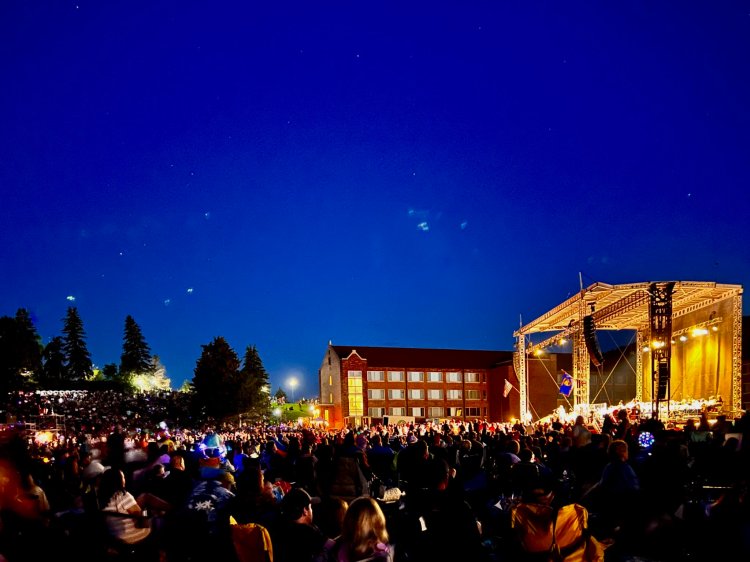
Symphony Under the Stars
July 19, 2025
For over 20 years the Helena Symphony has provided this amazing event at no charge to the public. Each year up to 18,000 people sit on the grounds of Carroll College and enjoy music, community, and a terrific fireworks show at the end of the concert.

Public Art
Helena boasts a diverse collection of public art, reflecting the city’s rich history and vibrant cultural scene. From sculptures and murals to fountains and architectural features. The Helena Public Art Committee plays a vital role in promoting and acquiring public art, and fostering community involvement. Helena’s public art serves as a visual representation of the city’s identity, offering residents and visitors opportunities for cultural enrichment and appreciation while simply walking or driving around town.

Grant-Marshall Lime Kiln Historic District
The Grant-Marshall Lime Kiln Historic District is a site on Helena’s east side that preserves a piece of Helena’s industrial heritage, offering both historical interest and scenic views. Access the site by walking the Far East trail. The site is listed on the National Register of Historic Places. At more than 130 year old, it is one of the best preserved kilns in the area.
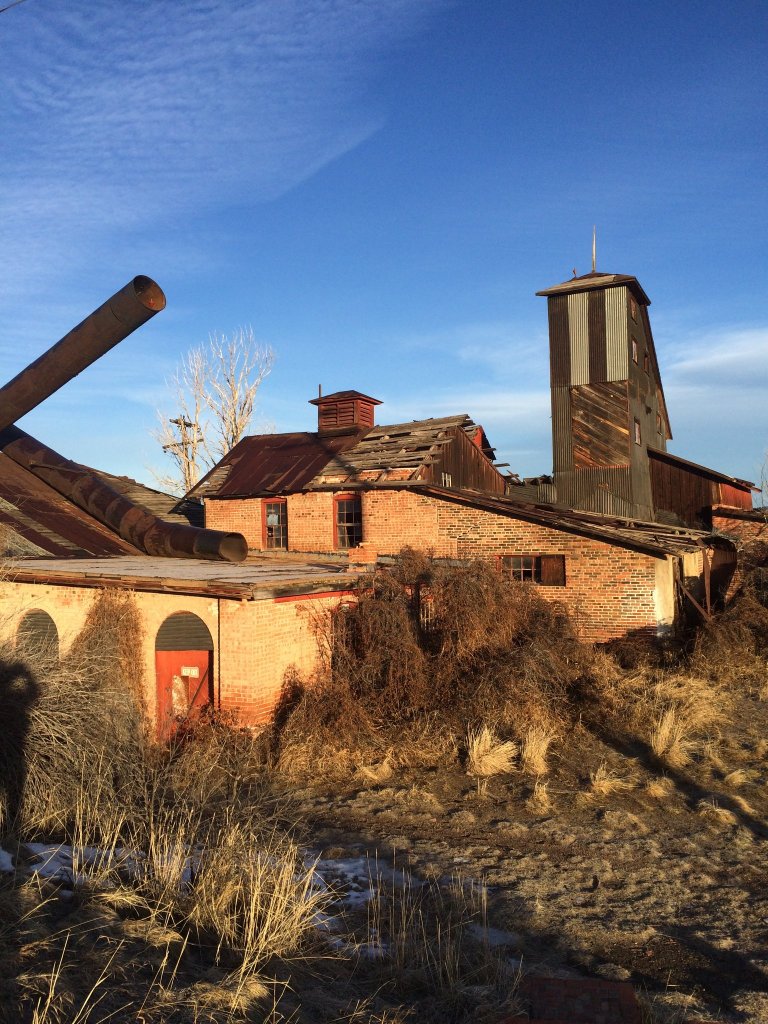
Relics of our industrial history
Helena’s industrial history is deeply rooted in its gold rush origins and subsequent development. The discovery of gold in Last Chance Gulch in 1864 sparked Helena’s rapid growth and fueled the city’s early economy, leading to significant wealth accumulation. While gold mining was foundational, Helena’s evolving heavy industry diversified to include supporting activities. Key among these was brickmaking and the lime production industry, both of which provided essential building materials. As gold mining declined, Helena transitioned, leveraging its position as the state capital and the city became both the center of politics and a supply hub for outlying mining towns, and other resource extraction industries.

Farmer’s Market
The Helena Farmers’ Market is a vibrant community event that has been a Saturday morning staple for over 40 years. It’s Montana’s longest-running farmers market, established in 1974. Open seasonally in April, the market brings together local farmers, crafters, food vendors, and artisans offering Montana-made products. Shoppers can enjoy live music, fresh floral aromas, and the taste of kettle corn while browsing. During November and December, the market moves indoors to the Gateway Center. The market is located on Fuller Avenue between Neil and Lawrence, adjacent to Women’s Park.
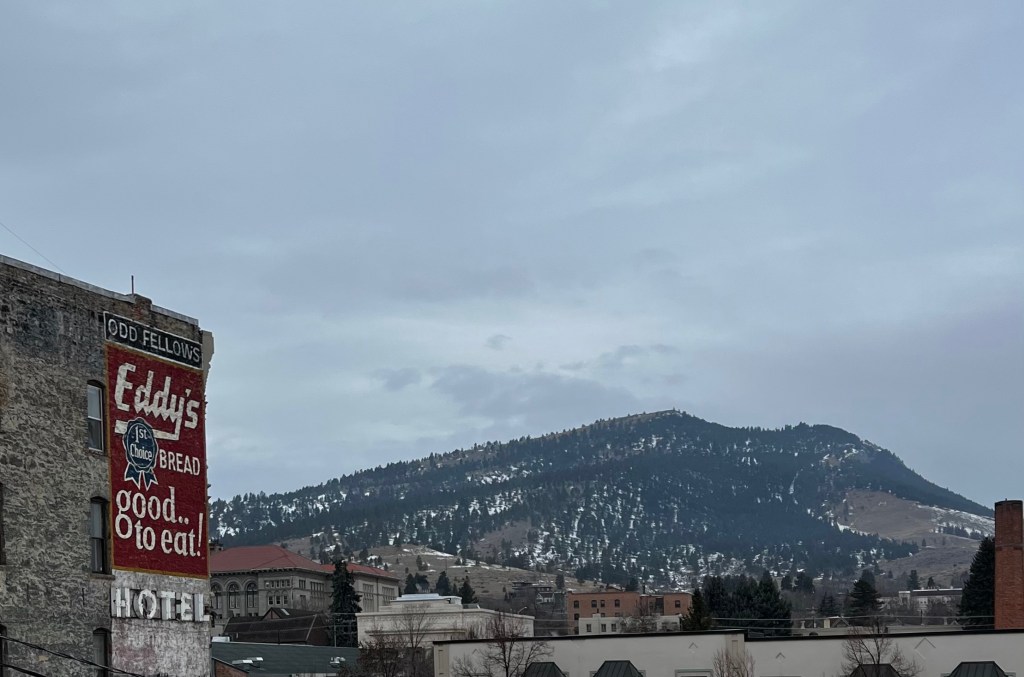
Ghost Art
Helena possesses a unique form of “ghost art” that intertwines with its historical fabric. These aren’t spectral images, but rather faded remnants of hand-painted advertisements, signage, and murals from the city’s bustling past. These “ghost signs,” often found on the sides of older brick buildings in the downtown area, offer glimpses into Helena’s commercial history. They reveal the names of long-gone businesses, the styles of bygone eras, and the craftsmanship of sign painters who once shaped the city’s visual landscape. These faded murals and advertisements serve as a tangible link to Helena’s past, adding a layer of historical charm and intrigue to its urban environment, and prompting reflection on the city’s evolution.
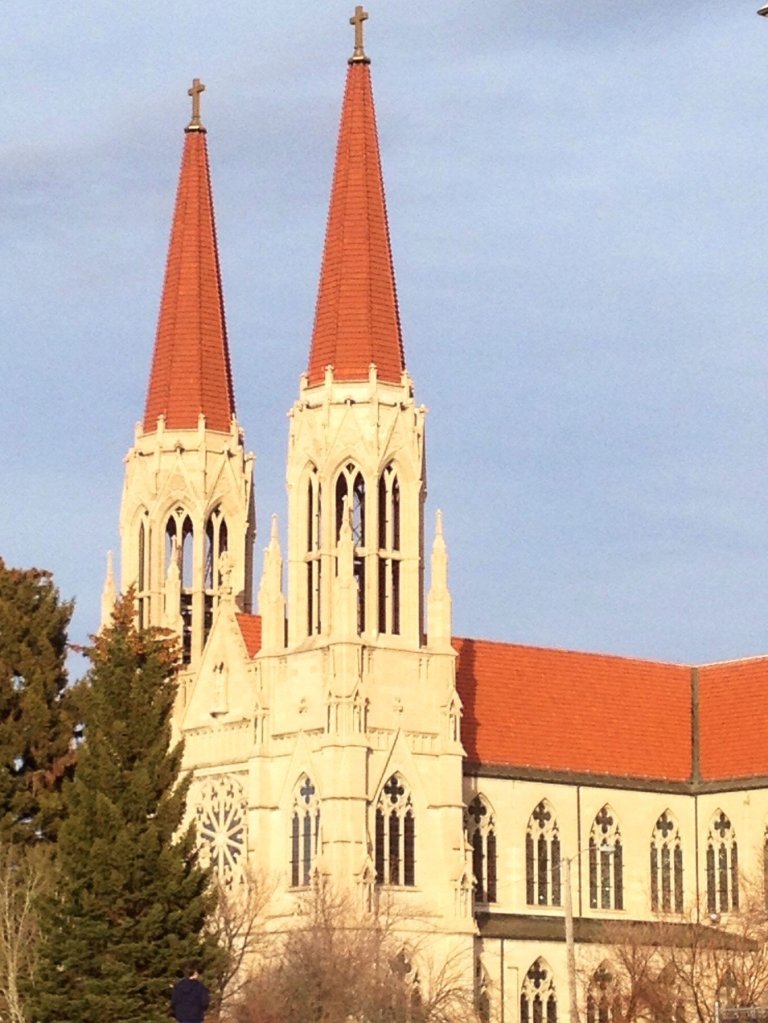
St. Helena Cathedral
The Cathedral of Saint Helena stands as a striking architectural landmark in Helena. Modeled after the Votivkirche in Vienna, Austria, its Gothic Revival design features soaring twin spires that dominate the Helena skyline. Construction began in 1908, and the cathedral has since served as the seat of the Roman Catholic Diocese of Helena. Notable for its intricate stained glass windows, which depict scenes from the Old and New Testaments, and its detailed interior, the cathedral draws visitors and worshippers alike. Over the years, it has withstood and recovered from events like the 1935 Helena earthquake, undergoing renovations to preserve its grandeur.
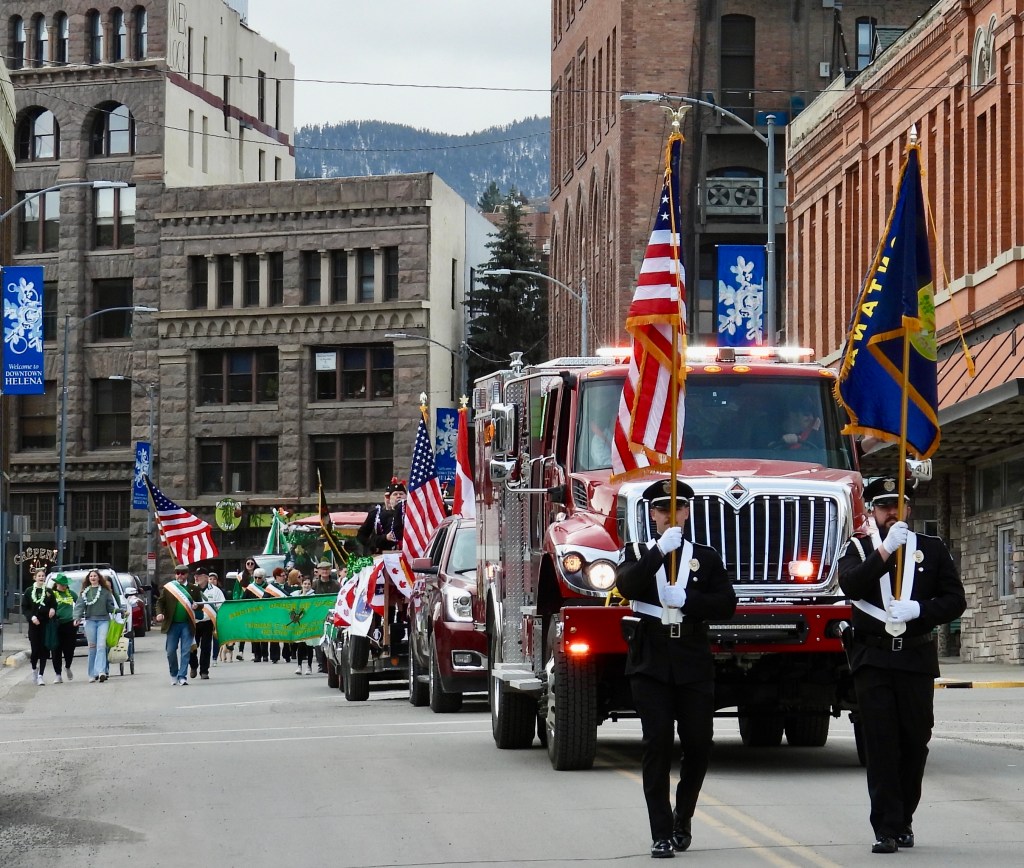
Parades
Downtowm Helena loves these community events that reflect the city’s spirited character and rich history. From the festive Last Chance Stampede and Fair parade, showcasing rodeo traditions and local pride, to the dazzling holiday parades that light up the winter nights, Helena’s streets come alive with music, colorful floats, and enthusiastic crowds. The annual St. Patrick’s Day parade brings a wave of green and Irish cheer, while smaller, neighborhood parades celebrate local milestones and achievements. Whether it’s the clatter of horses’ hooves, the sounds of marching bands, or the cheers of onlookers, Helena’s parades offer a delightful glimpse into the heart of this Montana capital, fostering a strong sense of community and celebration. See Events for a more detailed list.
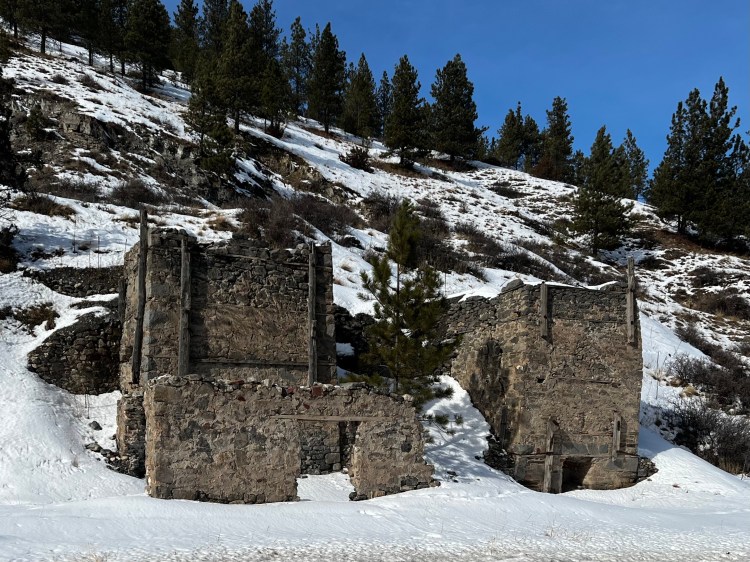
Grizzly Gulch Lime Kilns Historic Structures
Lime Kiln Rd. Lime Kilns
Find items from National Register of Historic Places
The 50+ objects that are considered public art are worth spending a day finding and seeing.
https://en.wikipedia.org/wiki/Category:National_Register_of_Historic_Places_in_Helena,_Montana
 PureHelena.com